


Compliance intelligence
Advertising at scale, scrutiny at speed September 2026
Published
DownloadExecutive summary
Advertising at scale is coming under scrutiny at speed
September's cases bring together three pressures on modern marketing teams: ads can be created or assembled with less manual input, content can pass through affiliates and suppliers, and regulators can identify ads proactively rather than relying only on complaints.
The Midnite ruling illustrates how AI-generated creative and affiliate activity can create a shared blind spot. In travel, environmental language such as “eco” was not enough on its own: the basis for the claim needed to be clear. Less Healthy Food (LHF) rulings also show that the rules can reach beyond traditional food advertisers.
The common thread is the gap between what a marketer intends to communicate and what a consumer may reasonably take from the finished ad. This report turns the month's cases into practical lessons for teams planning, approving and distributing campaigns.
The editorial takeaway
Compliance needs to be built into the workflow, not left until the final sign-off.
Pre-checking can help teams identify potential issues earlier, while human reviewers remain responsible for context and the final decision.
This month's headlines
The September picture
37
Rulings
31
Upheld
Where the ads ran
Rulings by media channel
- Social media (paid ad)21 rulings57%
- Website (own site)5 rulings14%
- Search (paid)4 rulings11%
- Social media (own site)3 rulings8%
- Internet (display)2 rulings5%
- Social media (influencer or affiliate ad)2 rulings5%
Top 3 CAP Code rules breached
3.1
18 casesMisleading advertising
Ads mustn't materially mislead or be likely to.
3.7
12 casesSubstantiation
You need documentary evidence before you make an objective claim.
1.3
10 casesSocial responsibility
Ads must be prepared with a sense of responsibility to consumers and society.
Top 3 sectors
Food, drink and supplements
Eight of the matched rulings.
Medicines, remedies and therapies
Led by four stem cell clinics claiming to treat autism.
Gender, sex and relationships
Driven by five AI app ads that sexualized women or used harmful stereotypes.
Key takeaways
AI-generated creative still needs a rule-based review.
The output matters, not only the prompt or the production method.
Affiliate marketing can create an approval gap.
Brands need a workable process for third-party content and changes.
Environmental wording needs a clear basis.
Supplier-provided property names and automatically assembled ads still need checking.
LHF rules can affect non-food advertisers.
Product identifiability and the overall impression can matter as much as the advertiser's core business.
01 - Feature article
Fast to make is not the same as safe to publish

Midnite: an AI-generated character, an affiliate and a missed check
The ASA upheld a complaint about a TikTok ad for gambling brand Midnite. The ad featured an AI-generated man using a gambling app and promoting a betting offer. The ASA considered that the character appeared to be under 25, a problem under rules restricting the use of people who are, or appear to be, under 25 in gambling advertising.
The ruling is useful because the risk did not arise simply from the fact that AI was used. It arose from the result: a character whose apparent age created a compliance issue. A prompt that does not specify age or relevant restrictions can still produce a finished asset that needs careful review.
Midnite said it had not authorized the affiliate to publish the ad and ended its contract with the affiliate. The affiliate said its normal approval process had not been followed.
That makes the case about more than creative generation: it is also about whether the approval process works when content is created and distributed outside the brand's direct team.
Why this matters for marketers
AI can increase the volume and speed of creative production. Affiliate models can increase distribution without requiring the brand to produce every asset itself. Together, they make repeatable pre-publication checks more important, particularly for regulated sectors.
Where iClear fits
AI-assisted pre-checking can help surface potential issues before publication and give reviewers a consistent first pass across high volumes of content.
It supports the approval process; it does not replace human judgment or guarantee compliance.
02 - Industry in focus
Affiliate marketing: scale without losing control

The opportunity and the risk
Affiliate marketing gives brands a way to extend reach and generate revenue through third parties. But the same model can make it harder to know which creative is live, whether it has changed and whether it has been checked against the brand's standards and the relevant advertising rules.
The Midnite case shows how responsibilities can become unclear when a brand says an affiliate was not authorized to publish an ad and the affiliate says its approval process was not followed. Whatever the commercial arrangement, brands benefit from making the review process consistent and traceable.
A brand-owner checklist
These aren't mandated by the ASA, but it is in the best interest of a brand or advertiser to:
- Set written rules for claims, imagery, AI-generated content and sector-specific restrictions.
- Require approval before publication, including after material creative changes.
- Keep a record of the asset reviewed, the evidence supplied and the person who approved it.
- Make partner responsibilities, escalation routes and consequences clear.
- Use risk-based review so higher-risk campaigns receive closer scrutiny.
03 - Travel & sustainability in focus
If you say “eco”, explain what it means

The September travel cases show a recurring problem: environmental language can create a strong impression without making clear what supports it. DialAFlight used “eco-conscious” to describe a resort. Thomas Cook and loveholidays ran paid search ads featuring accommodation names like “Eco Resort” or “Eco Hotel”. The complaints were upheld because the basis of the environmental wording was not substantiated in the advertising context, and left it open to interpretation by the potential consumer.
The cases are especially relevant to teams using supplier feeds or automated ad formats. A phrase may have originated in a property name or supplier factsheet, but once it appears in an ad, the marketer still needs to consider the impression consumers are likely to take from it.
Before publishing travel claims
- Ask what the environmental wording means in concrete terms.
- Check that evidence supports the specific claim being made.
- Make relevant qualifications clear where consumers see the claim.
- Review automatically assembled ad copy and landing pages together.
04 - Rule in focus
Less Healthy Food (LHF): the product is not always the whole story
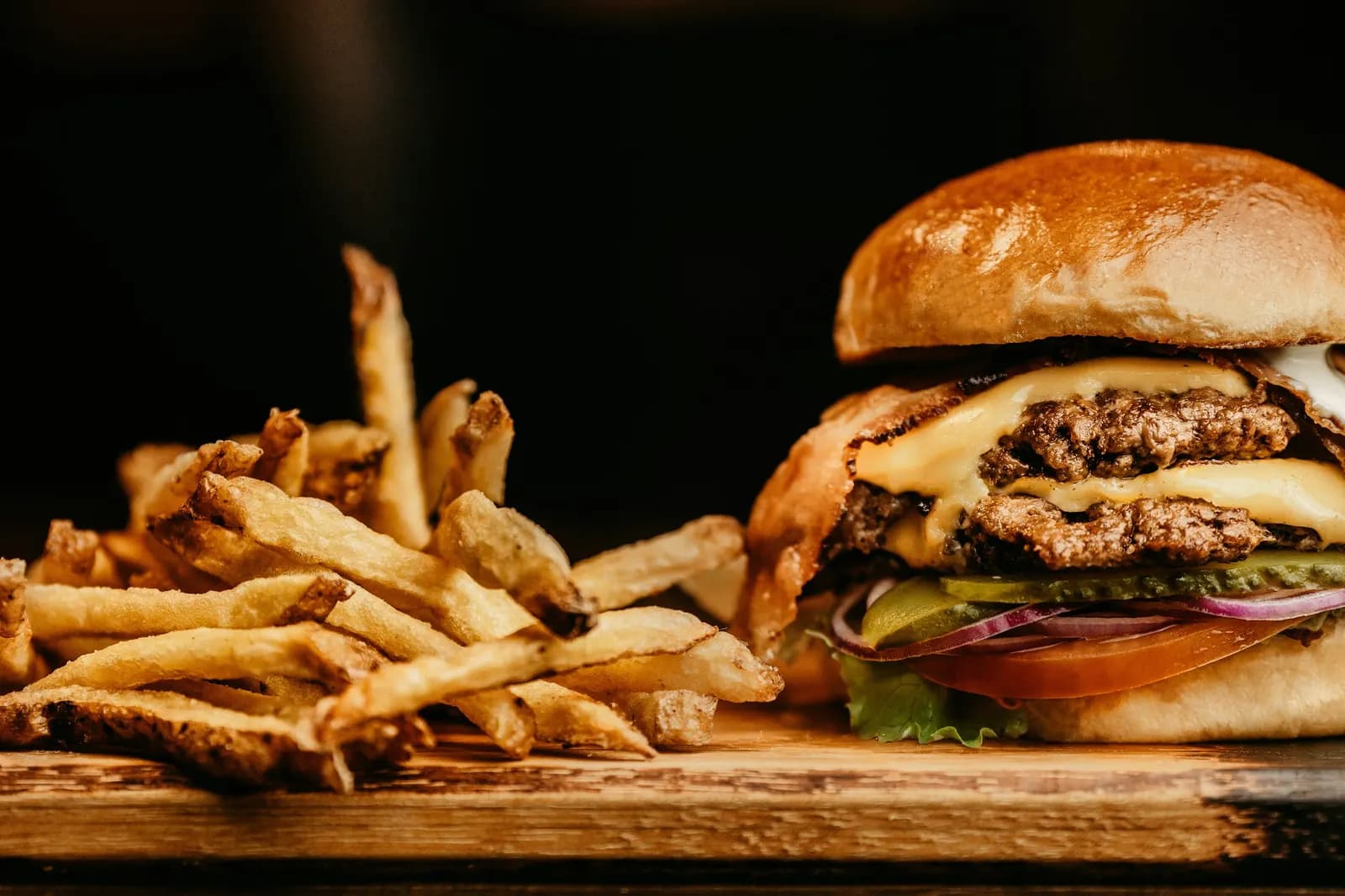
The LHF restrictions are not only a concern for food manufacturers and restaurants. September's cases are a reminder that a campaign promoting a service, a media platform or a wider brand can still bring an identifiable less healthy food product into scope.
- Upheld
The Trade Desk
A promoted LinkedIn post for a media-buying platform featured Reese's Peanut Butter Cups as an example of a client brand. The case shows how a services ad can still feature an identifiable product.
- Upheld
San Carlo
An influencer post following a restaurant launch featured identifiable less healthy menu items. The commercial relationship and disclosure context also mattered.
- Upheld
McCain Foodservice
The claimed business-to-business targeting exemption was not established, and the creative featured an identifiable less healthy product.
Popeyes
The complaint was not upheld because the food shown was not found to make a specific less healthy product identifiable.
04 - Rule in focus
What marketers should take from this
The practical questions are not limited to “Are we a food company?” Review whether the product is identifiable, what the campaign as a whole appears to promote, who the ad reaches and whether any exemption can be evidenced.
A brand asset or service-led message does not automatically take the creative outside the rules.
Is the product identifiable?
What does the campaign promote?
Who does the ad reach?
Can any exemption be evidenced?
Key lesson
Check the product, audience, context and applicable exemption before launch.
Where a campaign spans multiple placements or creative versions, review each finished asset rather than assuming one approval covers all executions.
05 - Emerging themes
Four patterns to take into your next campaign
Proactive scrutiny
The regulator's monitoring program means advertisers should not assume that a campaign must attract a consumer complaint before it is reviewed.
The whole ad matters
Images, context, product visibility, platform-generated copy and landing pages can shape the consumer takeaway beyond the literal wording.
Third-party content needs oversight
Affiliates and suppliers can increase volume, but approval processes must be clear, usable and documented.
Evidence should be ready before launch
Environmental, comparative and other factual claims need an appropriate basis before publication, not after a challenge.
Before you publish
Compliance checklist
Claims
Can every factual or environmental claim be substantiated?
Creative
Could a product, character or image trigger sector-specific rules?
Partners
Have affiliate, influencer and supplier assets been checked?
Records
Can we show what was reviewed, what evidence was used and who approved it?
Interpretation
Could consumers take a different meaning from the one intended?
Targeting
Can we evidence the audience if we rely on an exemption?
Automation
Have we reviewed the final ad and landing page together?
Our perspective
Build compliance into the creative workflow
September's cases point to the same operational lesson: as ads are generated, adapted and distributed at greater speed, compliance cannot depend on a single final manual check. Earlier review gives teams a chance to spot issues, gather evidence and fix creative before it goes live.
iClear helps advertisers pre-screen advertising against relevant UK advertising standards, giving teams another way to identify potential issues earlier in the workflow. It is a support layer, not a guarantee of compliance or a substitute for informed human approval.
Looking ahead
Scrutiny at scale requires review at scale
Expect continued attention to proactively identified digital ads, the consumer takeaway from the whole creative and the evidence behind claims. For teams working with AI tools, ad platforms and external partners, the question is how to make review consistent and keep up with the pace of production.
