

Compliance intelligence
ASA Advertising Compliance Round-Up June 2026
Published
DownloadWelcome to the inaugural edition of our monthly Compliance Intelligence recap.
Our goal is to dig into the data, uncover emerging trends, and provide actionable lessons - so you can inform your team on how to minimise compliance risk before campaigns ever go live.
This month's headlines
30%
of upheld decisions came from the ASA's AI-powered Active Ad Monitoring - not consumer complaints.
86%
of upheld investigations were digital. Many cite no external agency - make sure internal processes ensure review and rigour.
86%
breached the rules on misleading advertising. If you check only one thing, check this.
01 - Dashboard
Compliance dashboard
- Total ASA rulings
- 35
- Upheld
- 30 · 86%
- Uphelds from AI monitoring
- 9 · 30%
- Most common media type
- Digital paid advertising (47%)
- Most common CAP code breached
- S3 - Misleading (73%)
- Most common sector
- Retail (30%)
CAP rules breached
Share of upheld investigations
- Misleading73%
- Substantiation40%
- Financial products17%
- Medicines & health17%
Totals exceed 100% - many rulings breached more than one rule.
Media type split
How upheld ads were served
- Paid ad47%
- Paid search13%
- Website13%
- Other media27%
Top sectors investigated
- Retail30%
- Apps, digital services & tech23%
- Financial services17%
June's headline
AI is changing how advertising is regulated
9/30
upheld decisions came from the ASA's Active Ad Monitoring programme.
The regulator proactively identified non-compliant ads using AI - rather than waiting for complaints. June's focus: investment products and health apps. Historically an investigation began with a complaint; increasingly, campaigns are identified and assessed without anyone reporting them.
The compliance timeline has changed. Ads can face scrutiny almost immediately after publication - sharply reducing the window to amend or withdraw problematic content. For organisations producing marketing at scale, proactive pre-publication checking is becoming an essential part of the creative workflow.
02 - Case files
Key rulings
 Upheld
adidas
Environmental claims · Google search advertising
The ASA concluded adidas' search advertising gave consumers the impression that buying its products would have a significant positive environmental impact. The messaging was considered too broad, and consumers were unlikely to understand the limitations behind the claims.
- Section 3 - Misleading
- Section 11 - Environmental
 Upheld
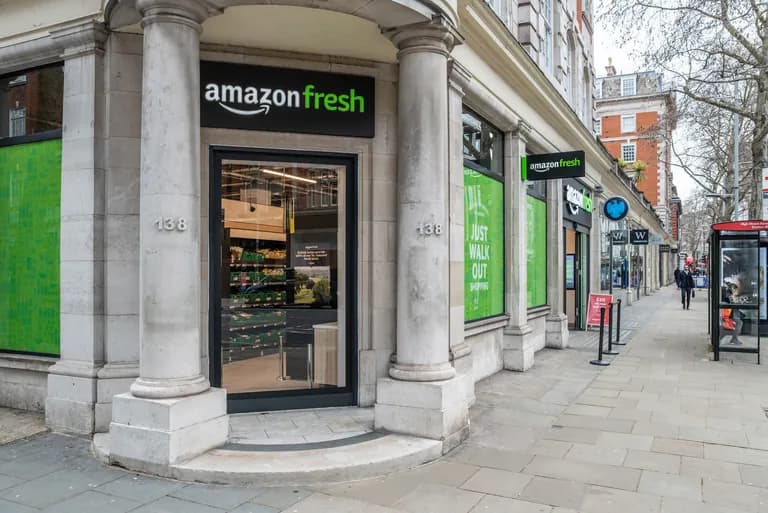
Amazon Fresh
Less Healthy Food (LHF) rules · Paid Instagram advertising
Amazon Fresh promoted its grocery delivery service with an Instagram advert featuring a Cadbury Creme Egg. Because the ad included an identifiable less healthy food product in a restricted category, it breached the new CAP Code rules on paid online advertising for less healthy food and drink.
- New LHF rules · Jan 2026
Most common CAP code issues
This month's upheld rulings were dominated by a small number of recurring themes - reinforcing that many breaches stem from the same fundamental advertising principles.
| CAP rule category | Typical issues |
|---|---|
| Misleading advertising | Unsupported claims, omitted material information, exaggerated product benefits and unclear messaging. |
| Substantiation | Insufficient evidence to support advertising claims before publication. |
| Financial products | Missing or unclear risk warnings, overstated returns and failure to present material information prominently. |
| Medicines & health | Unsubstantiated health claims and breaches of sector-specific advertising restrictions. |
| Environmental claims | Broad sustainability claims, greenwashing and lack of robust supporting evidence. |
| Recognition of marketing | Advertising not immediately identifiable as marketing communications. |
| Less Healthy Food (LHF) | Breaches of the new restrictions on paid online advertising for identifiable less healthy food and drink products. |
| Pricing & promotions | Misleading pricing, promotional mechanics and insufficiently clear terms and conditions. |
03 - Patterns
Emerging themes
Misleading advertising remains the biggest risk
Most upheld rulings continue to involve claims that could mislead consumers.
- Unsupported claims
- Exaggerated product performance
- Missing qualifications
- Omitted material information
- Poor prominence of important information
Environmental claims remain under pressure
Environmental messaging continues to receive disproportionate scrutiny. Marketers should ensure:
- Claims are specific
- Evidence exists before publication
- Consumers are unlikely to misunderstand the message
Transparency matters
Several rulings highlighted failures to:
- Clearly identify advertising
- Make important information sufficiently prominent
- Explain limitations and conditions
Often the issue wasn't the claim itself, but how clearly it had been communicated.
Before you publish
Compliance checklist
- Can every factual claim be substantiated?
- Are qualifications sufficiently prominent?
- Could wording mislead the average consumer?
- Are environmental claims fully evidenced?
- Is legally required information immediately visible?
- Is the ad obviously recognisable as advertising?
- Would the ASA read this ad the same way your team does?
04 - Perspective
Our thoughts
These brands weren't deliberately misleading consumers - but a pattern is emerging. Avoidable issues like poor wording, missing context, unsupported claims, inadequate disclosure and information that lacked sufficient prominence.
- Poor wording
- Missing content
- Unsupported claims
- Inadequate disclosure
- Poor prominence
These are precisely the kinds of issues that can be identified before an advert goes live - by building compliance into the creative workflow itself. That reduces rework, delays and regulatory risk, while giving teams the confidence to launch.
Get in touch to find out how iClear can help (opens in new tab)Looking ahead
The ASA continues to invest in proactive monitoring and AI-assisted enforcement.
Expect greater scrutiny across digital channels and increasing emphasis on evidence, clarity and consumer understanding. For organisations producing marketing at scale, proactive compliance checking is becoming an essential part of the creative process.
